
Blog
Capsule Wardrobe Colors: A 60/30/10 Palette Guide

A capsule wardrobe colour palette is five colours: two main neutrals, two supporting colours and one accent. Aim for about 60% neutrals, 30% supporting colours and 10% accent. That is a rough guide, not an exact formula.
The payoff is that nearly everything you own mixes with everything else, so getting dressed gets faster.
Build your palette in 3 steps
- Choose two main neutrals. These are your trousers, coats and shoes. Think navy, camel, charcoal, cream or chocolate.
- Add two supporting colours. These are tops, knitwear and shirts that sit comfortably next to the neutrals.
- Pick one accent. A scarf, a bag, one bold top. This is where a brighter colour earns its place.
Let your undertone steer every choice. If you have not found yours yet, start with how to find your skin undertone.
Example palettes by undertone
These are starting points, not prescriptions. Swap colours you prefer.
| Undertone | Main neutrals | Supporting | Accent |
|---|---|---|---|
| Warm | Cream, Camel | Olive green, Chestnut | Coral |
| Cool | Navy, Charcoal | Ice blue, Lavender | Fuchsia |
| Neutral | Taupe, Cream | Sage, Dusty rose | Burgundy |
| Olive | Forest green, Earth brown | Cream, Teal | Burgundy |
For a deeper look at each type, see the complete undertone guide.
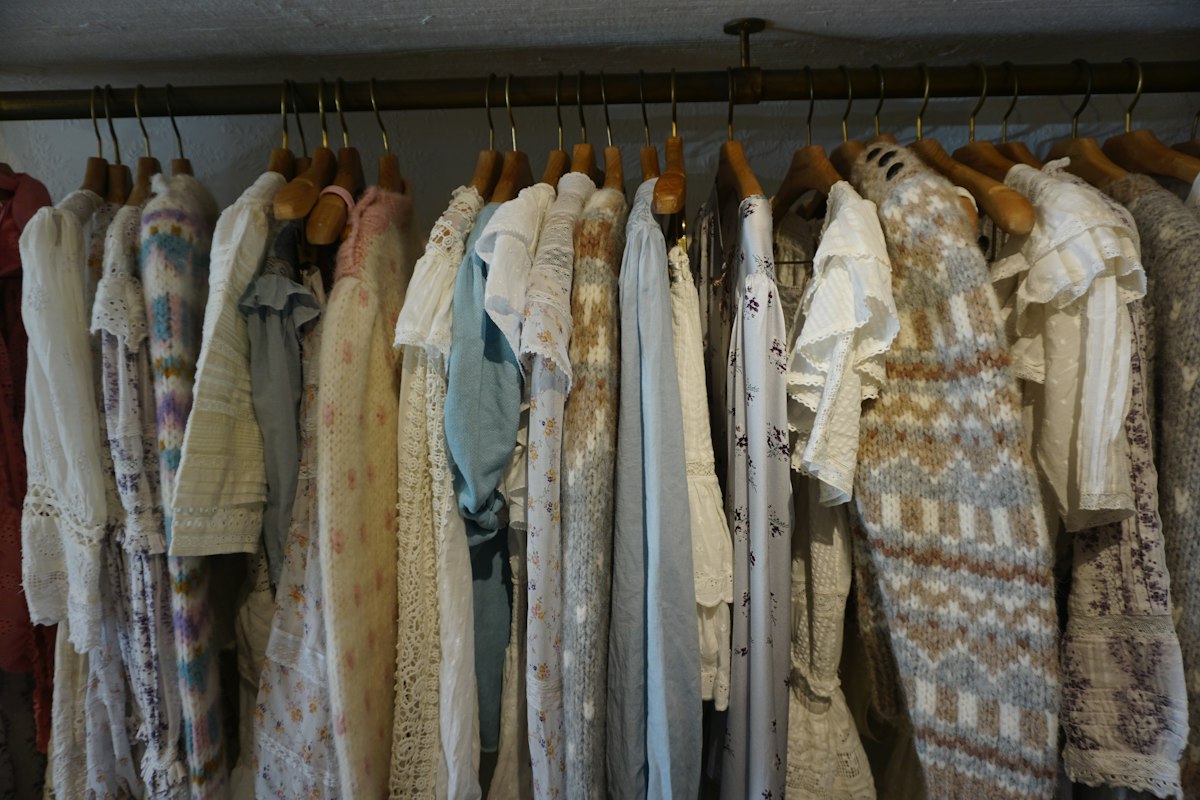
A sample starter capsule
This is an example only. Adjust the count and the pieces to your climate and lifestyle.
- 2 pairs of trousers in your main neutrals
- 1 skirt or shorts in a main neutral
- 3 tops in supporting colours
- 2 knits, one neutral and one supporting
- 1 jacket or coat in a main neutral
- 1 accent piece (scarf, bag or top)
- 2 pairs of shoes in neutrals
That is about a dozen pieces, and every top works with every bottom.
Rules that keep it easy
- Wear the flattering colour near your face. Shoes and trousers matter less than collars and tops.
- Repeat colours. Two pieces in the same shade look intentional.
- Mix textures. Knit, denim, cotton and leather in one colour family add depth without adding colours.
- Add before you subtract. Fill gaps in the palette first, then edit.
What the 60/30/10 split looks like in practice
Imagine ten outfits. In about six of them, the bulk of what you wear (trousers, coat, a plain top) is a main neutral. In about three, a supporting colour carries the outfit, such as a sage knit over cream trousers. In one, the accent steps forward.
If you count your pieces and find the accent colour makes up half your closet, nothing is wrong. It just means the accent has become a supporting colour, and you may want a calmer neutral to balance it.
Common mistakes
- Too many accents. Three bold colours compete. Pick one and let the rest of the closet support it.
- Neutrals that do not suit you. A neutral is only useful if you like it near your face. Test it with the chin-drape trick before you buy more.
- Ignoring the seasons. Lighter fabrics and brighter supporting colours can shift in summer, while deeper tones feel natural in winter. The palette stays the same; the weights change.
Start from what you already own
Before you buy anything, look at your closet. Which of your pieces already fit the palette? Which ones keep sitting unworn? The seven-step closet colour audit walks you through it.
Where Kittyfit fits in
Kittyfit lets you build a digital closet and shows an undertone-fit badge on each piece, so gaps in your palette are easy to spot. Undertone analysis happens on your iPhone, and virtual try-on is optional and asks for your approval first. Take a look.
Frequently asked questions
How many colours should a capsule wardrobe have?
Five is a good starting point: two main neutrals, two supporting colours and one accent. You can add a second accent later.
Does the 60/30/10 rule have to be exact?
No. It is an approximate guide for balance. Treat it as a way to avoid a closet where every piece is a different colour.
Can I include black or white?
Yes, if they suit you. Both are strong, so many people keep them away from the face or swap in a softer neutral near it.
Do I have to throw out clothes outside my palette?
No. Keep what you love and wear. The palette mostly guides future buying.
General style guidance based on common color-analysis practice, not medical or dermatological advice. Results vary with lighting, device and the individual.