
Blog
First Date Outfit Colours by Skin Undertone
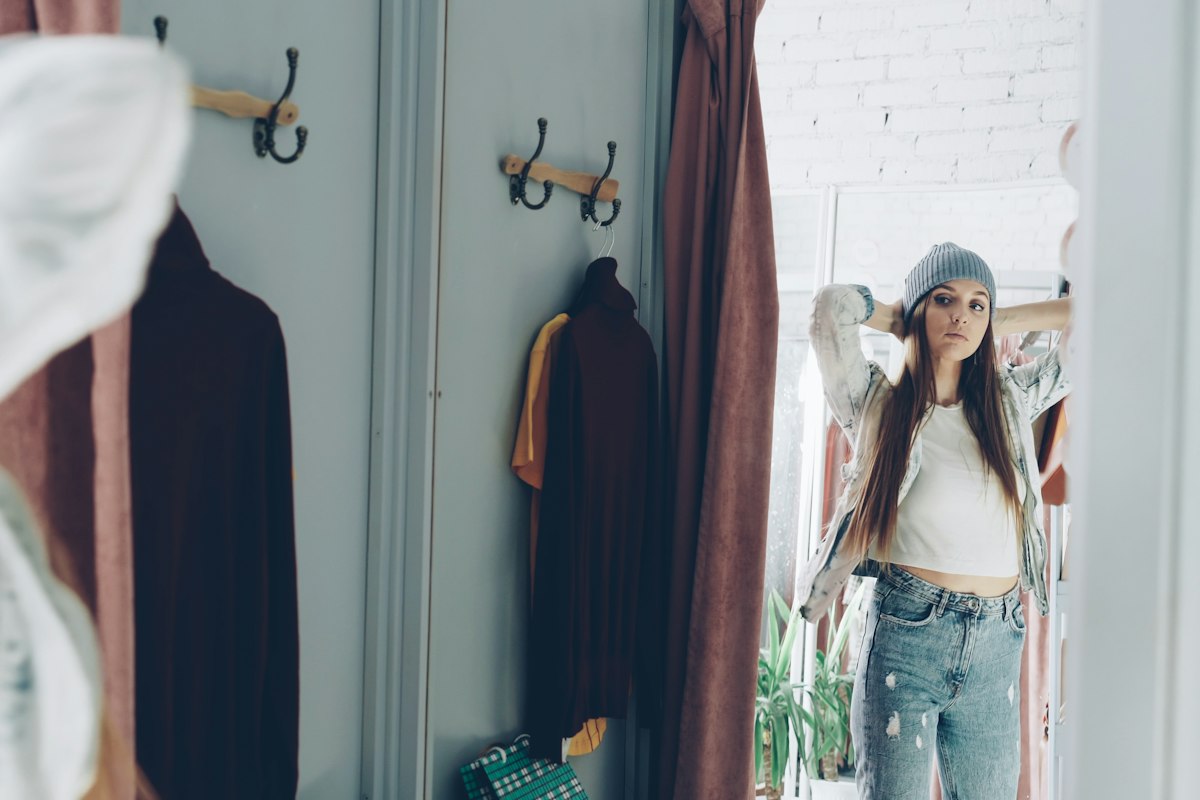
For a first date, choose a colour that makes you feel comfortable and like yourself, then use your undertone to pick the shade: warm undertones often glow in terracotta and olive, cool undertones in berry and navy, and neutral and olive undertones in soft, deep tones. The right shade is the one that lets you relax.
No colour makes a date go well, and there is no gendered rule about what to wear. The goal is simply an outfit that feels like you and looks clear and healthy on your skin.
Date colours by undertone
| Undertone | Colours that tend to flatter | Easy accessory metal |
|---|---|---|
| Warm | Terracotta, warm coral, olive, cream | Yellow gold |
| Cool | Berry, navy, dusty blue, lavender | Silver |
| Neutral | Soft rose, muted teal, taupe, plum | Gold, silver or both |
| Olive | Forest green, wine, deep teal, rust | Gold or rose gold |
If these labels are new to you, read the undertone guide or use the undertone tool for a quick start.
How colours look in candlelight
Restaurants often use warm, low light, which changes how colours appear. Warm light tends to deepen reds, oranges and browns and can mute cool pastels or greys. Dim lighting also reduces contrast, so very pale colours can look washed out and very dark ones can lose detail.
Colours with a little depth usually hold up best in both daylight and dim light. Think wine, forest green, teal, rich rose or a mid-blue. If you are meeting in the evening, try your outfit under a warm lamp at home before deciding.
Choose a colour that feels relaxed
Comfort has a visible effect: people who feel at ease often look more at ease. Pick something you have worn before and felt good in, then check the colour is also flattering. A familiar piece is usually a safer choice than a brand-new outfit that you are still getting used to.
Date night swatches
- Terracotta
- Wine
- Forest green
- Navy
- Dusty rose
- Deep teal
- Cream
Daytime or evening date?
For coffee or a walk, daylight is on your side, so softer shades such as sage, dusty blue or cream look fresh. For dinner, add depth with wine, green or navy. If you love black, black and undertone shows how to wear it without losing your glow.
Accessories and finishing touches
- Choose one metal and repeat it, which looks tidy without effort. The gold or silver jewellery guide helps if you are unsure.
- Keep jewellery light enough that you are not fiddling with it.
- Neutral shoes and bags, such as brown, navy or taupe, work with most colours.
- A scarf or collar in a flattering shade near your face can rescue a tricky top.
A short checklist before you leave
- Try the outfit in daylight and under warm light.
- Hold the top colour under your chin; does your skin look even?
- Sit, stand and reach to check comfort.
- Make sure the clothes are clean and free of marks.
- Take a breath; the colour is only a small part of the evening.
Think in outfits, not one-off purchases
If you shop for a date, choose pieces you will wear again. A flattering base from your palette can go from date night to dinner with friends to work. The warm undertone colours and cool undertone colours guides have more combinations to try.
Where Kittyfit fits in
Kittyfit starts with a short test and an optional face and wrist photo, analysed on your iPhone, then scores the clothes you add against your undertone result. Virtual try-on is optional and asks for your approval first. Try Kittyfit.
Frequently asked questions
What colour should I wear on a first date?
Pick a shade that suits your undertone and makes you feel relaxed. Mid-depth colours usually look good in both daylight and dim light.
How does restaurant lighting change colours?
Warm, dim light tends to soften cool colours and deepen warm ones. Try your outfit under a warm lamp at home to preview it.
Is black a good date outfit?
It can be. If it feels stark near your face, add a coloured top layer, scarf or jewellery in a shade that suits you.
Should I wear a bold colour?
Only if it feels like you. Comfort and confidence usually matter more than the exact shade.
General style guidance based on common color-analysis practice, not medical or dermatological advice. Results vary with lighting, device and the individual.