
Blog
Winter Coat Colours by Skin Undertone
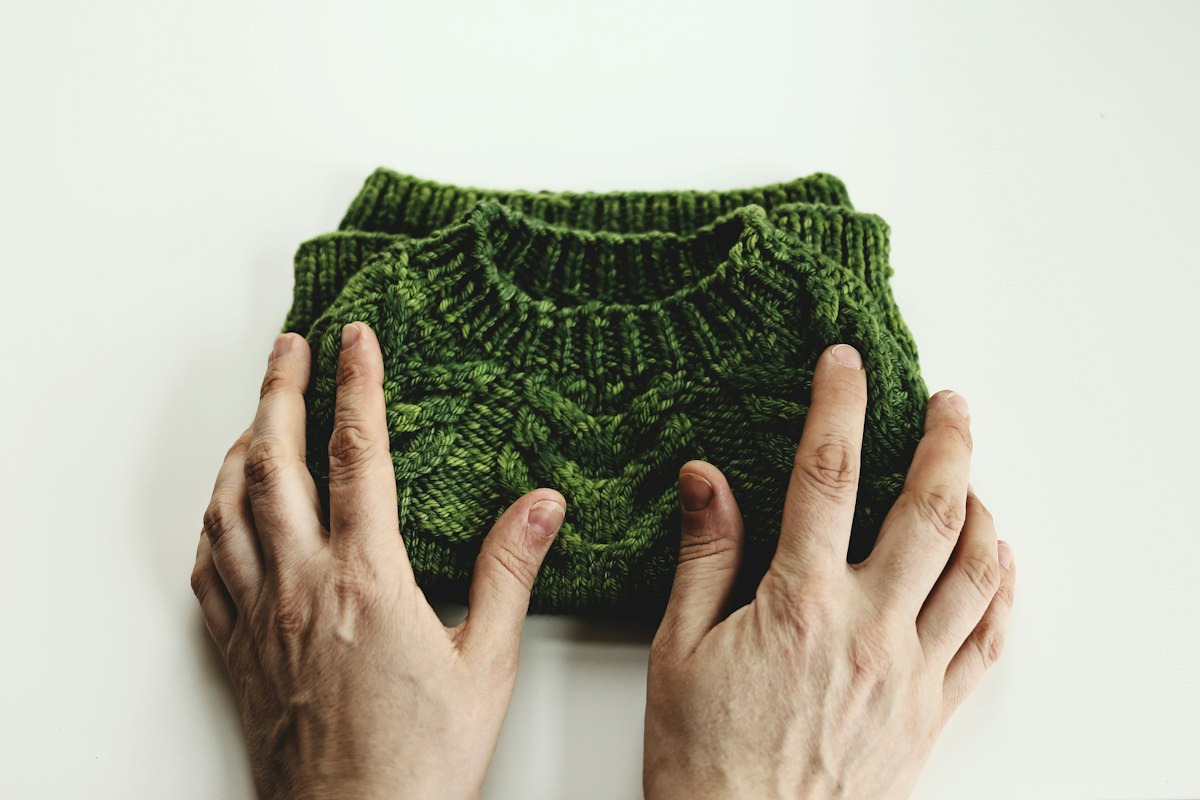
A winter coat is the largest piece of colour you wear for months, so it helps to choose a shade that flatters your undertone. Warm undertones often look good in camel, chocolate and olive, while cool undertones tend to suit charcoal, navy and berry tones; the table below covers all four.
Because a coat sits over everything else, it also has to work with the clothes you already own. A good coat colour balances flattery and flexibility.
Coat colours by undertone
| Undertone | Core coat colours | Alternatives to black | Scarf or hat accent |
|---|---|---|---|
| Warm | Camel, chocolate, olive | Dark brown, dark olive | Rust, mustard, cream |
| Cool | Charcoal, navy, deep plum | Charcoal, midnight navy | Ice blue, fuchsia, white |
| Neutral | Taupe, soft grey, muted teal | Dark grey, deep teal | Dusty rose, sage |
| Olive | Forest green, dark brown, burgundy | Espresso, bottle green | Terracotta, deep teal |
If you are not sure which group fits you, find your undertone first. For more shades to pair with a coat, the warm undertone and cool undertone colour guides are useful.
Camel, charcoal, navy and other classics
- Camel. A warm, welcoming neutral that suits many warm and olive undertones. Cool undertones can wear it too with a cool scarf nearby.
- Charcoal. Softer than black and easy with cool and neutral undertones.
- Navy. Smart and versatile; pick an inky or crisp navy depending on your tone.
- Forest green. A rich alternative for olive and warm undertones that still works like a neutral.
- Burgundy. A deep, flattering colour for many undertones, especially olive and cool.
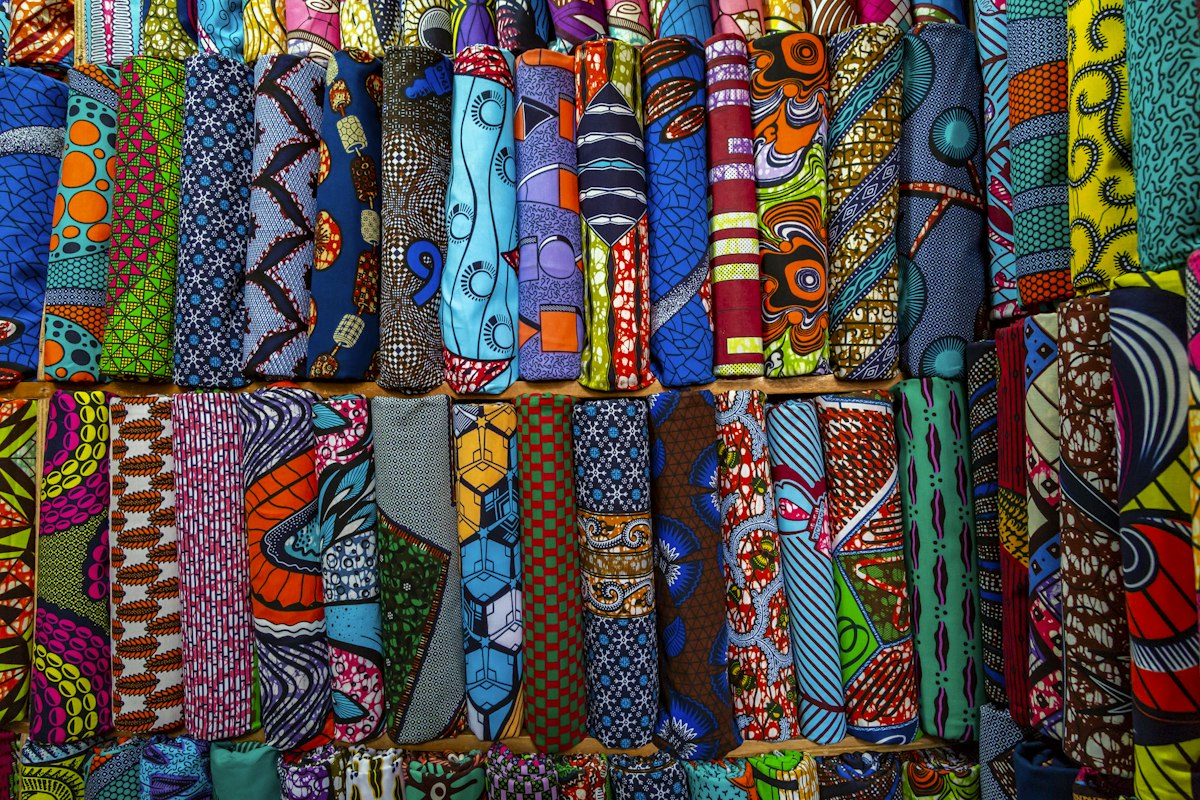
Winter coat swatches
- Camel
- Charcoal
- Midnight navy
- Forest green
- Burgundy
- Chestnut
- Taupe
The scarf, hat and collar rule
Whatever the coat, the item closest to your face does the most work. A scarf, hat or knitted collar is where undertone matters most, because it frames your skin. A coat that is slightly off can look fine when you wrap a flattering colour around the neckline.
If you love black coats, this is the easy fix. Keep the coat black and swap the scarf for something warmer or cooler depending on you. The black and undertone guide goes deeper.
Mixing colours under a coat
- Anchor with a neutral coat. Camel, grey or navy go with most knitwear.
- Repeat one colour. Echo the scarf colour in a sweater or bag, so the outfit feels planned.
- Pair deep with soft. A dark coat looks balanced over lighter knits, and a light coat over deeper ones.
- Keep patterns calm. If your scarf is patterned, keep the coat solid.
Practical choices
Think about how you live. If you walk to work, the colour should hide city grime; if you drive, you may prefer a lighter shade. Wool and brushed finishes look rich and absorb light, which can be softer on the face than very shiny puffer fabrics. Try the coat in daylight if possible, not under shop lighting.
Check what you already own
Before buying a new coat, look at the scarves and sweaters it would sit with. A colour that suits you but clashes with all your knitwear will be hard to wear. The closet colour audit shows how to review what you have first.
Where Kittyfit fits in
Kittyfit starts with a short test and an optional face and wrist photo, analysed on your iPhone, then scores the pieces you add, coats and scarves included, against your undertone result. Virtual try-on is optional and asks for your approval first. See Kittyfit.
Frequently asked questions
What coat colour goes with everything?
Charcoal, navy, camel and dark brown are versatile. Pick the one that looks clearest against your face in daylight.
Is a black coat a bad idea?
Not at all. Black is practical and many people wear it well. If it looks harsh on you, add a scarf or collar in a softer colour.
What colour scarf should I wear with a coat?
Pick a scarf in a colour from your own palette and let it be the shade nearest your face. It can differ from the coat.
Can I wear a light coat in winter?
Yes. Cream, oatmeal and light grey coats work well, though they show marks easily, so consider how much care you want to give them.
General style guidance based on common color-analysis practice, not medical or dermatological advice. Results vary with lighting, device and the individual.