
Blog
Leo Colors: Best Colors for Leo by Undertone
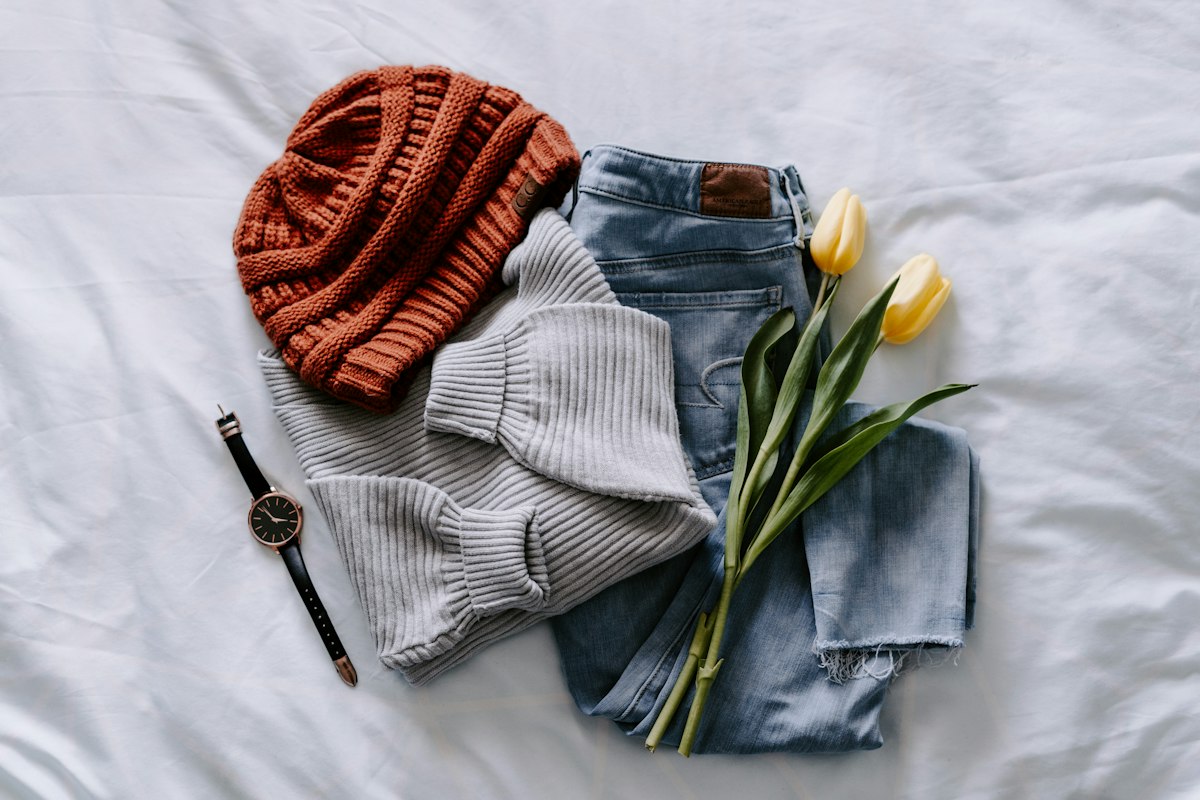
Traditionally, gold and orange are the colours linked with Leo, the fire sign ruled by the Sun. The tone of gold and the shade of orange that actually flatter you come from your skin undertone.
If you were born between 23 July and 22 August, a sunny palette is a fun place to begin. Use the tradition as inspiration, then let your undertone choose.
Leo colors by undertone
| Undertone | Gold to try | Orange to try | Why |
|---|---|---|---|
| Warm | Yellow gold, amber | Rich orange, tangerine | The golden base in skin echoes the metal and the fruit |
| Cool | Champagne, rose gold, white gold | Burnt red-orange, deep coral | Pinker golds and redder oranges sit better with blue-based skin |
| Neutral | Soft gold, brushed brass | Apricot, soft terracotta | Mid-tones can lean either way |
| Olive | Antique gold, bronze | Burnt orange, rust | Muted, earthy shades suit a green-grey cast |
If you are unsure, begin with the metal, because it sits against your skin all day.
Leo traditions: fire and the Sun
In Western astrology, Leo is a fire sign, and the Sun is its traditional ruler. That is why gold, orange and sometimes a regal deep red show up in Leo lists. It is a fun, theatrical tradition, and it stays at that.
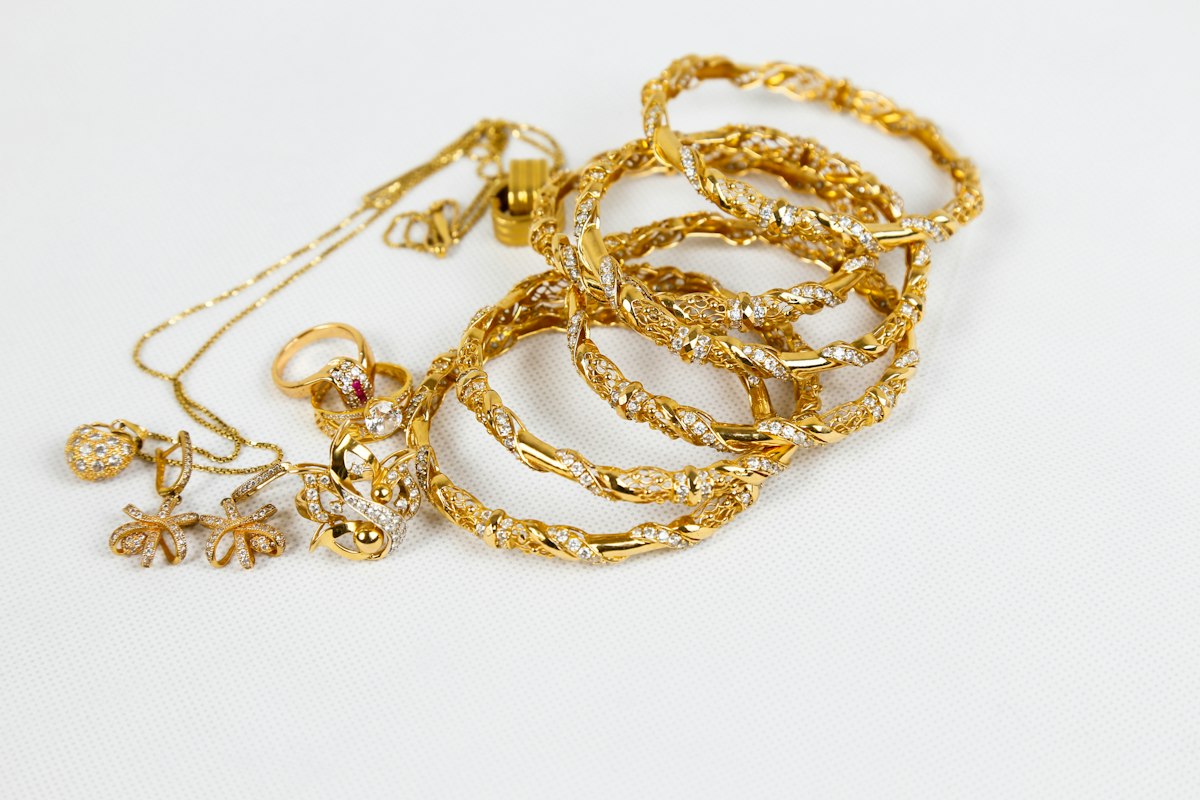
Warm undertone: full sun
Warm undertones often look radiant in yellow gold and amber. Tangerine and rich orange tend to feel lively, and cream or chocolate brown are comfortable partners. The warm undertone colour guide has more combinations.
Cool undertone: pick the redder side
Cool skin can wear the Leo palette, just on the redder, pinker side. Champagne, rose gold and a deep coral-orange are easier than bright yellow gold or tangerine. Pair them with navy or charcoal for contrast. Read the cool undertone colour guide for more partners.
Neutral and olive undertones
Neutral undertones can try soft gold and apricot and decide by drape. Olive skin often looks very good in antique gold and bronze, with burnt orange or rust instead of neon orange. The olive undertone article explains why gold often feels natural there.
How to wear it
- Start with the metal. Hold yellow gold and silver near your face; the one that makes your skin look alive is your lead. The gold or silver jewellery article walks through it.
- Orange as an accent. A scarf, knit or bag shows the colour without overpowering your complexion.
- Keep gold from fighting orange. Rich gold jewellery with one orange piece looks deliberate; several competing brights can feel busy.
- Use neutrals to settle it. Black, navy, cream and brown give a bold palette a calm base. If black feels harsh, see black and undertone.
Colour swatches
- Yellow gold
- Amber
- Tangerine
- Burnt orange
- Champagne
- Copper
- Deep red
Find your undertone first
Gold and orange get easier once you know your undertone. Start with how to find your undertone, then use the free undertone tool or the zodiac colour tool in your browser. Both are free browser tests, and the tools page lists them all.
Where Kittyfit fits in
Kittyfit starts with a short test and an optional face and wrist photo, analysed on your iPhone, then scores clothes and jewellery from your wardrobe against your result. Virtual try-on is optional. Try it in Kittyfit.
Astrology is for fun and inspiration, not science; your undertone decides how a shade looks on you.
Frequently asked questions
What colors suit Leo?
Traditionally gold and orange, sometimes with deep red. Which version suits you depends on your undertone, so compare shades near your face in daylight.
What metal suits Leo?
Gold is the traditional pick. In practice warm undertones usually shine in yellow gold, cool undertones may prefer white gold or silver, and neutral can wear both.
Does gold suit cool undertones?
It can. Cool skin often prefers pale champagne or rose gold, but test yellow gold in daylight before ruling it out.
Why are gold and orange linked with Leo?
Leo is traditionally ruled by the Sun, and gold and orange are colours often associated with sunlight.
General style guidance based on common color-analysis practice, not medical or dermatological advice. Results vary with lighting, device and the individual.