
Blog
Job Interview Outfit Colours by Skin Undertone
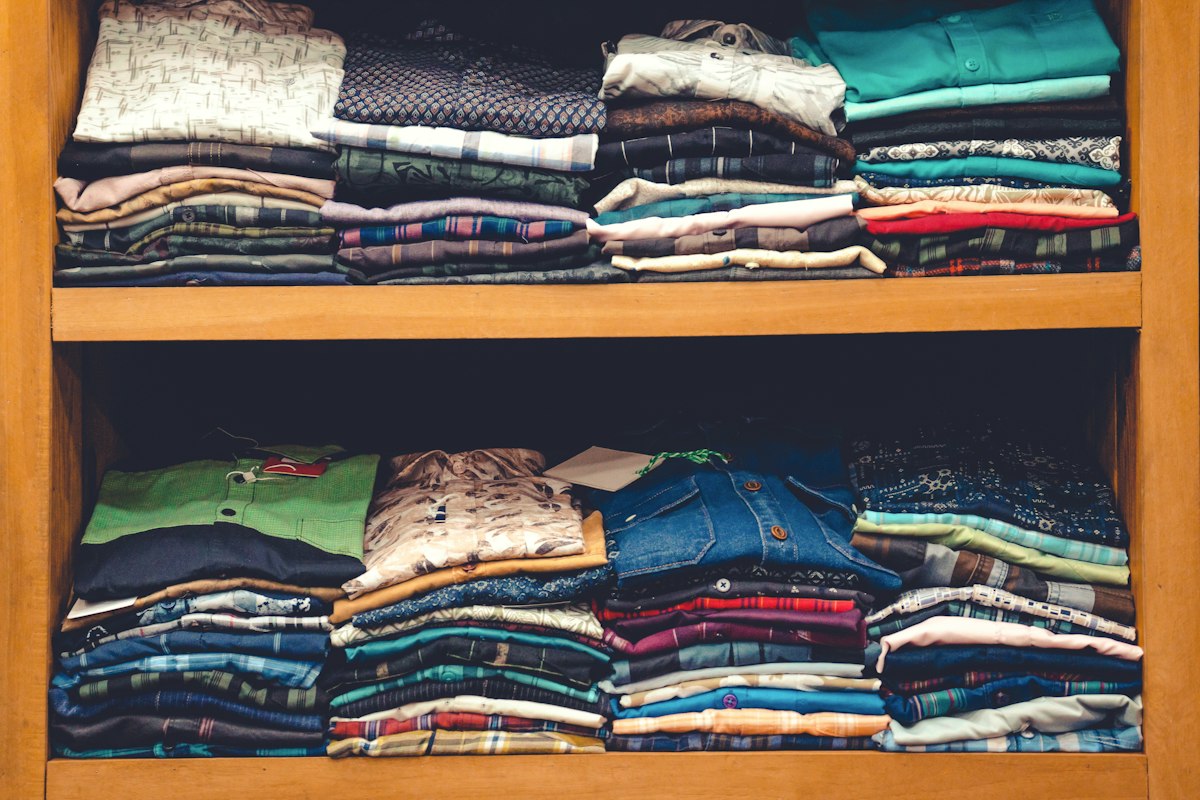
For most interviews, calm neutrals such as navy, charcoal and soft off-white are a reliable choice, and the shade that suits you best depends on your undertone. The colour near your face matters most, so choose your shirt or top first and build the rest around it.
No colour will decide an interview, and no outfit guarantees a result. The aim here is modest: pick shades that help you feel comfortable, composed and like yourself.
Interview colours by undertone
| Undertone | Main colour | Shirt or top | Contrast level |
|---|---|---|---|
| Warm | Warm navy, chocolate, olive | Cream, ivory, soft peach | Softer |
| Cool | Charcoal, true navy, deep grey | Crisp white, ice blue | Medium to high |
| Neutral | Mid navy, taupe, soft grey | Soft white, pale blue | Medium |
| Olive | Dark green, deep brown, muted navy | Warm white, light sage | Softer, earthy |
Not sure which column you belong to? The undertone guide explains all four types, and the lighting guide for undertone tests helps you check at home.
Why the colour near your face matters most
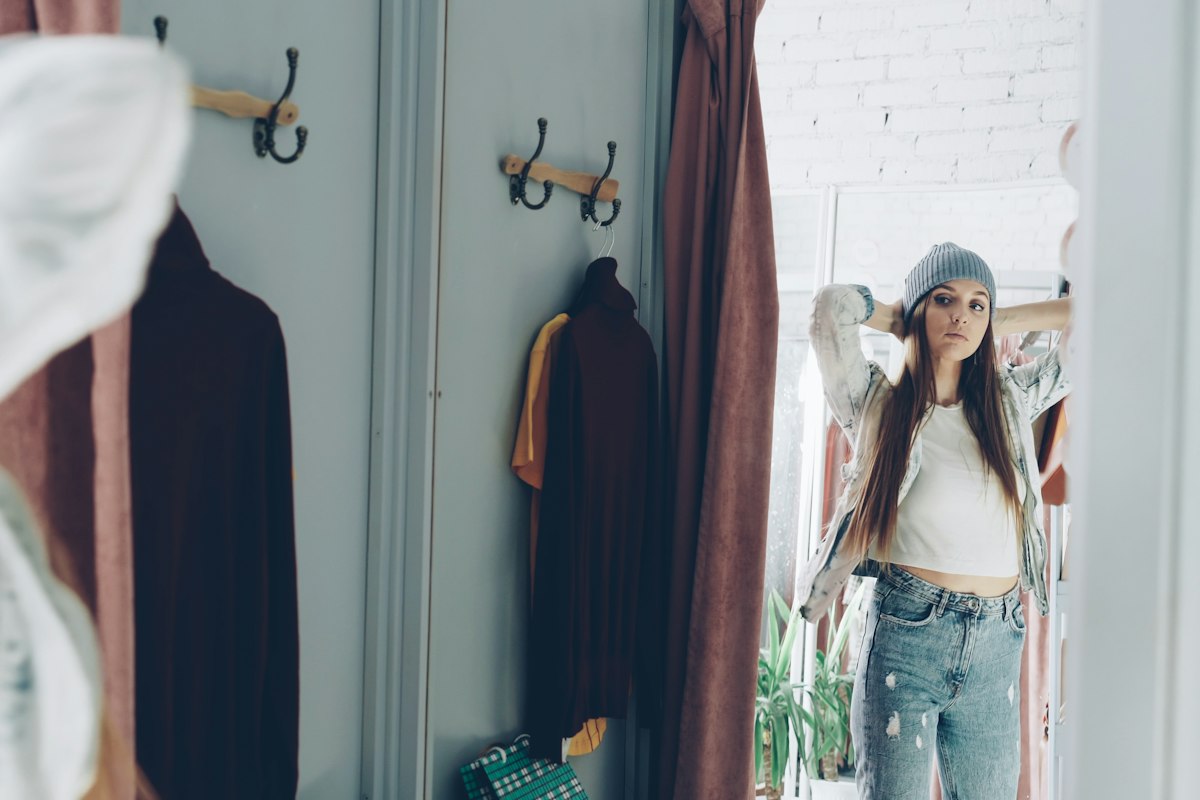
People notice your face first. A jacket in a flattering shade can still look tired if the top underneath works against your skin. Hold the shirt or blouse under your chin in daylight. If your skin looks even and your eyes look clear, it is a good sign. If you look grey or shadowed, try the next shade.
Choosing the main colour
- Navy. Often softer than black and flattering on many people. Cool undertones can wear a crisp navy, while warm undertones may prefer one with a hint of teal.
- Charcoal. A good middle ground between black and grey, especially for cool and neutral undertones.
- Brown and camel. Warm and olive undertones often feel at home in chocolate or deep brown suits and blazers.
- Dark green. A quiet alternative that suits olive and warm skin tones in particular.
If you usually reach for black, see black and undertone for ways to soften it near your face.
Light and dark: adjusting contrast
Contrast is the difference between your skin, hair and clothes. If you have a light, low-contrast look, a mid-depth jacket with a soft shirt can feel more natural than a very dark suit with a stark white shirt. If you have strong natural contrast, such as dark hair and light skin, crisp combinations tend to suit you.
Interview colour swatches
- Classic navy
- Charcoal
- Cream
- Ice blue
- Camel
- Chestnut brown
- Forest green
Keep accessories simple
Choose one metal and keep jewellery small. Gold tends to suit warm and olive undertones, silver cool ones, and neutral undertones can go either way. A plain watch, small earrings or a simple chain is enough. Avoid anything that rattles, flashes or pulls your attention during a conversation.
Bags and shoes in dark brown, navy or black usually look consistent with most outfits. Make sure they are clean and comfortable, because feeling steady on your feet is part of feeling confident.
A quick pre-interview routine
- Pick your outfit a day before, in daylight.
- Hold two shirt options under your chin and choose the clearer one.
- Check that the outfit feels comfortable when you sit, stand and reach.
- Keep one spare layer in a neutral colour in case of weather.
Build once, reuse often
An interview outfit built from your palette can also work for meetings and events later. The capsule wardrobe colours guide shows how to turn a handful of flattering neutrals into many outfits.
Where Kittyfit fits in
Kittyfit starts with a short test and an optional face and wrist photo, analysed on your iPhone, then scores the clothes you add against your undertone result. Virtual try-on is optional and asks for your approval first. Open Kittyfit, or take the quick undertone tool first.
Frequently asked questions
Is navy or black better for an interview?
Both can work. Navy is often a bit softer near the face, while black is more formal and high contrast, so test each in daylight.
What shirt colour is safest?
White, soft off-white and light blue are widely accepted. Choose the one that looks clear and fresh against your skin rather than stark or sallow.
Should I wear bright colours to an interview?
A small, confident accent is fine. Keep the main outfit calm so you feel at ease, and let the accent sit in a scarf, tie or blouse detail.
Does colour matter more than fit?
Fit and comfort come first. Colour is a finishing step that helps you feel put together.
General style guidance based on common color-analysis practice, not medical or dermatological advice. Results vary with lighting, device and the individual.