
Blog
What to Wear by Temperature: A Simple Outfit Guide
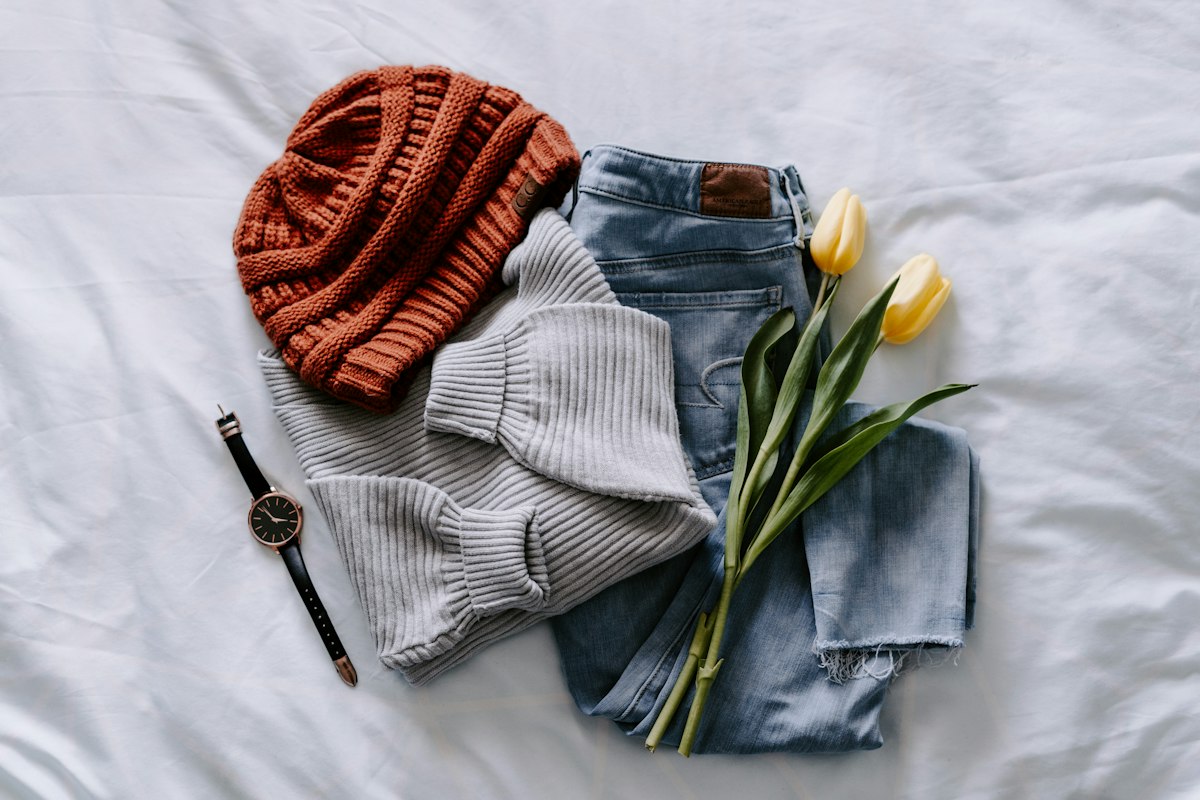
To decide what to wear, find your temperature in the chart below, then adjust for wind, rain and humidity. The "feels like" temperature matters more than the number on its own.
These are general suggestions. People feel cold differently, so shift the chart up or down to match you.
Outfit chart by temperature
| Celsius | Fahrenheit | What to wear |
|---|---|---|
| 28°C and above | 82°F and above | Thin, breathable fabrics such as cotton and linen; light colours |
| 22 to 27°C | 72 to 80°F | T-shirt plus a very light layer for evenings or air conditioning |
| 15 to 21°C | 59 to 70°F | Long sleeves and a light jacket or overshirt |
| 8 to 14°C | 46 to 57°F | A sweater and a proper coat |
| 0 to 7°C | 32 to 45°F | Heavy coat, scarf, gloves and warm socks |
| Below 0°C | Below 32°F | Thermal base layer, insulated coat and a hat |
Look at "feels like"
The forecast number leaves out several things.
- Wind pulls heat from your body, so it feels colder.
- Damp air makes cool days feel chillier and hot days feel stickier.
- Rain soaks fabric and cools you quickly. Bring a waterproof outer layer.
- Direct sun can make a cool day feel noticeably warmer, so shade changes the picture too.
The three-layer formula
- Base layer against the skin: a T-shirt, a camisole or a thermal top.
- Middle layer for warmth: a knit, a fleece or a shirt.
- Outer layer against the weather: a jacket, a coat or a raincoat.
The point is flexibility. When the day warms up, remove the middle layer. If you stay out late, add it back. Thin layers trap warm air and pack small.
Quick tips for each band
Hot days
Choose loose, breathable cuts. Cotton, linen and other natural fibres usually feel cooler than tight synthetics. Light colours reflect more sun.
Mild days
This is the hardest range. A light jacket you can carry covers the swing between a cool morning and a warm afternoon.
Cold days
Cover your extremities. Scarf, gloves, a hat and warm socks make a coat feel warmer without extra bulk.
Fabrics that help
- Cotton and linen breathe well in heat but feel cold when damp.
- Wool stays warm even when slightly wet, which suits cold, changeable days.
- Fleece and down give a lot of warmth for little weight.
- Waterproof shells block rain and wind but can feel clammy, so vent them when you warm up.
A note on colour
Dark colours absorb more sunlight and can feel warmer in strong sun. Light colours do the opposite. If you are building outfits from scratch, a small palette makes layering simple, because everything mixes. The capsule wardrobe colour guide shows how to set one up.
Make your closet work with the weather
Many people own more than enough warm pieces but forget them when planning. Try a quick pass through your wardrobe: which pieces cover which temperature band? Gaps show up quickly, and a closet colour audit helps you see what to wear more and what is missing.
Where Kittyfit fits in
Kittyfit can suggest outfits from your own closet based on the weather. This is optional and uses only your approximate location, which goes to Apple alone for the forecast. Skin undertone analysis stays on your iPhone, and virtual try-on is optional and asks for your approval first. Learn more.
Frequently asked questions
What should I wear at 15 degrees Celsius (59°F)?
A light jacket over a long-sleeve top or a thin knit is a good start. Add a scarf if it is windy.
Does wind change what I should wear?
Yes. Wind makes it feel colder than the number shown, so add a wind-blocking outer layer.
How do I dress when the temperature swings during the day?
Wear layers you can remove and carry. A thin middle layer is the easiest to add or take off.
Do colours matter for warmth?
A little. Dark colours absorb more sunlight, which feels warmer in sun. Light colours feel cooler in strong sun.
General style guidance based on common color-analysis practice, not medical or dermatological advice. Results vary with lighting, device and the individual.